Embarking on an HVAC apprentice career in Oklahoma opens the gateway to a rewarding trade, offering hands-on work, structured training, and a path toward certification and steady employment. For those interested in heating, ventilation, and air conditioning systems, understanding the journey from apprentice to licensed technician is essential. In this article, we examine the day‑to‑day duties, training requirements, on‑the‑job tasks, and steps needed to qualify as an apprentice electrician working toward HVAC service work in Oklahoma.
Working as an HVAC apprentice involves a range of responsibilities that build your skills while assisting experienced technicians. Typical HVAC apprentice duties include:
These responsibilities give apprentices real‑world exposure and hands-on experience that is foundational in forming skilled HVAC professionals. Over time, apprentices gradually take on more complex tasks as their knowledge grows.
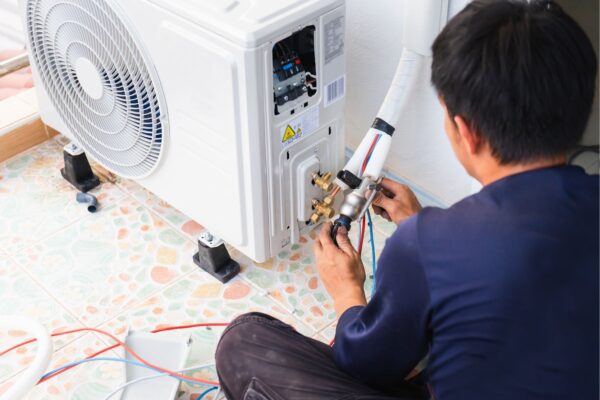
On a typical job site, an apprentice might start by unloading equipment and organizing materials before a maintenance or installation job begins. Once the master technician outlines the task, the apprentice helps with basic mechanical work — for example, mounting HVAC units, running ductwork, or connecting electrical components under supervision.
They may also assist in diagnostics: checking airflow, refrigerant levels, or thermostat wiring. Throughout the day, apprentices observe safety practices, record measurements, and help complete final checks to ensure proper function. In essence, what an HVAC apprentice does is assist, learn, support while gaining on‑the‑job training while contributing to real projects.
If you aim to begin as an apprentice electrician and ultimately specialize in HVAC systems, the path typically begins with registering as an apprentice through your state’s licensing board or a recognized trade school. In Oklahoma, that means meeting certain education and age requirements and applying for an apprenticeship registration.
Once registered, you join a team under a licensed electrician or HVAC contractor and begin logging on‑the‑job training hours while attending any required classroom instruction. For many aspirants, enrolling in a formal training program helps significantly — combining theory and hands-on labs to prepare for real‑world scenarios.
To elevate your readiness and increase your chances of passing licensing exams, consider proven study options such as the exam preparation for HVAC Journeyman in Oklahoma or the exam preparation for HVAC Contractor in Oklahoma from Prep at Home. By combining classroom learning, on‑site mentorship, and structured exam preparation, you establish a firm foundation for growth into a licensed technician.
Being a successful apprentice involves more than just showing up — it requires dedication, responsibility, and a willingness to learn. Here are some tips on how to be a good apprentice electrician while training for HVAC work:
Through conscientious training and practical attitude, apprentices build both technical skills and professional habits that become critical in a long‑term HVAC career.
In order to work legally and safely as an apprentice electrician — particularly in HVAC settings — you must satisfy certain licensing prerequisites in Oklahoma. These requirements help ensure apprentices receive formal oversight, proper instruction, and structured pathways toward journeyman or contractor status.
Often, the path includes a combination of documented classroom hours, supervised on‑the‑job training, and final exams. Programs vary by state, but in Oklahoma, your apprenticeship registration must be maintained, and you must remain supervised until you are eligible for a higher‑level license.
A critical part of meeting apprentice electrician license requirements is accumulating enough field experience and classroom instruction. The electrician apprentice hours required may vary depending on your registration type, but typically encompass several thousand hours of supervised work along with technical coursework.
Keep accurate records of both your on‑site and classroom hours — this documentation will be necessary when applying to upgrade to journeyman or HVAC‑specific certification. Missing hours or incomplete tracking can delay eligibility for your license exam and eventual independent work.
For more information about training options, licensing requirements, or to get started on your journey, explore Prep at Home, learn more about our contractors school, or contact us for guidance.
Whether your goal is to eventually qualify as a journeyman or contractor, enrolling in dedicated preparation courses such as the exam preparation offerings above can significantly improve your readiness and confidence. Begin the journey today — and take the first step toward building your skills and your future in HVAC.